On July 1, 2026, Neuralink said it had done something in its clinical trials it had not done before. It inserted the implant's electrode threads straight through the dura, the tough membrane that wraps the brain, and left the dura intact. The dura is normally cut with a scalpel to reach the cortex. This time it stayed closed. The procedure took place at Toronto Western Hospital with neurosurgeon Andres Lozano, and the participant was able to move a computer cursor by thought within an hour.

It's a big deal
The dura mater is a leather-like sheet that sits just under the skull. Each Neuralink thread is finer than a hair, and the dura is at least 10 times thicker than a thread.
So far, reaching the cortex has meant a craniotomy to open the skull and then a durectomy, cutting or removing part of the dura to expose the brain before the threads go in.
Opening the dura invites cerebrospinal fluid leaks, infection, and inflammation, thereby lengthening recovery. Leaving it closed removes a whole category of risk.
The innovation
Driving a thread through the dura without cutting it is difficult for three reasons, all of which the company had to address simultaneously. The dura is tough, so the threads need enough force to pass through it. The brain underneath is moving, pulsating with the heartbeat and the breath, so the depth target keeps shifting. And the dura hides the blood vessels a surgeon must avoid.
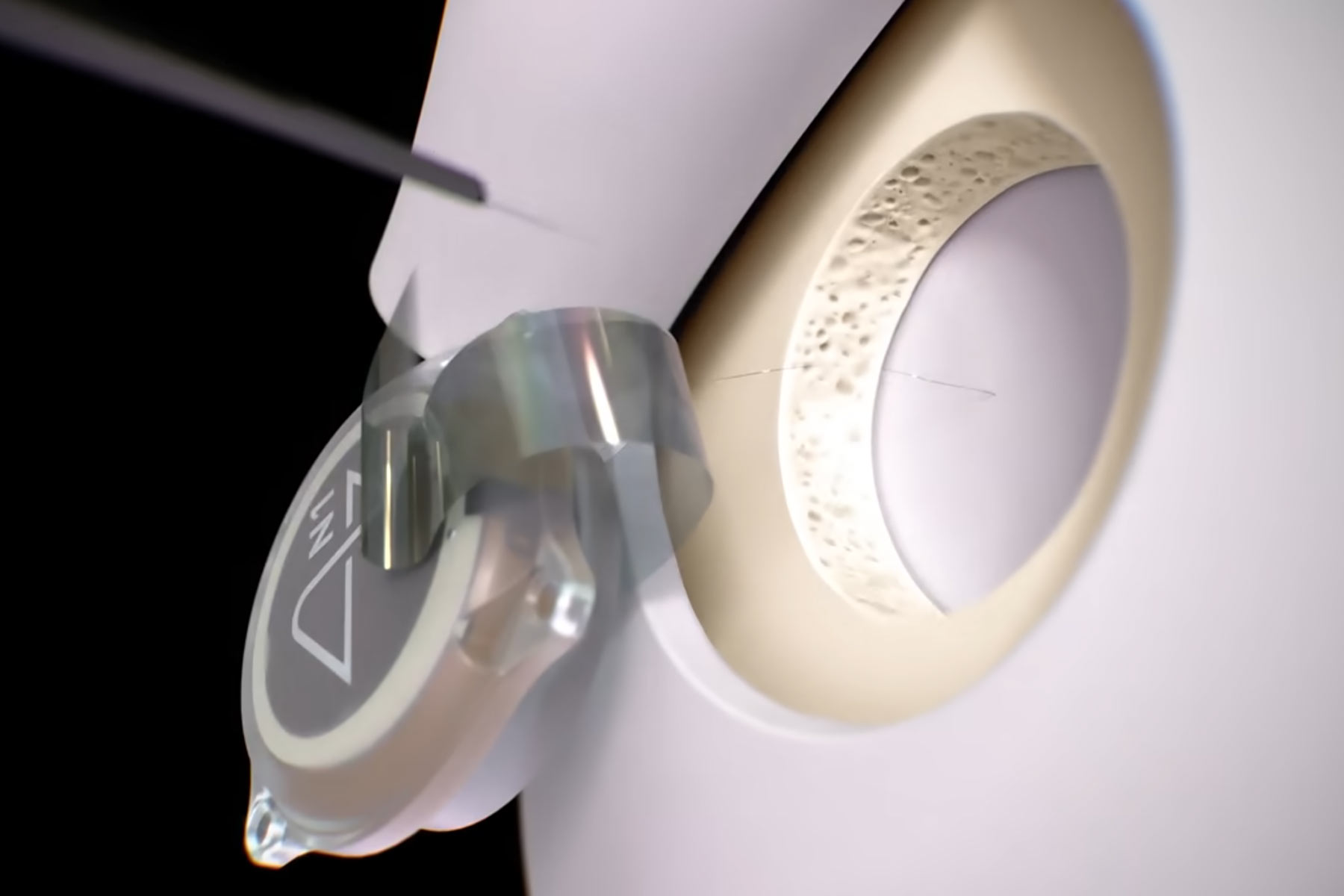
Neuralink solved this by making the needle that carries each thread slightly larger in diameter to reliably penetrate the dura while conserving its precision, as corroborated across hundreds of insertions into synthetic dura on the bench. To see the vessels through the membrane, the team used ICG video angiography, an injected dye that glows under infrared light and maps the vasculature that the intact dura would otherwise hide. To hit the right depth in a moving target, it used optical coherence tomography, which measures the distance from the dural surface to the cortex in real time. The R1 surgical robot, already built for micron-scale placement and machine-vision vessel avoidance, was upgraded with new optics and control to pass through the dura and track the brain's motion as it went.
The framing Neuralink uses for this is "the best step is no step."
Neuralink has solved through-dura electrode implantation. This is a very big deal, as it greatly improves the safety and ease of interfacing with the brain.
That is Elon Musk, the founder, and "solved" is doing a lot of work for a single procedure. The direction is right. The verb is early.
The interesting part is the engineering around the brain's motion and opacity. Real-time OCT is a direct answer to brain pulsation, a problem neurosurgery has long lived with, and ICG gives the robot a vascular map without ever directly seeing the surface. Both lean on years of animal work and benchtop testing with moving brain models and synthetic dura, which is where the needle geometry and insertion parameters were settled before any person was involved. The payoff Neuralink is chasing is not a better signal from this implant. It is a simpler operation, which is the precondition for doing many more of them, and for the speech and vision programs the company keeps pointing to.
Stripped of the superlatives, this is a real surgical simplification with a clear rationale. Keeping the dura closed should cause fewer leaks, fewer infections, and faster recovery, and taking a delicate manual step out of the operation is how you get from a handful of implants to many.
References
- Announcement: x.com/neuralink
- Elon Musk: x.com/elonmusk
- Neuralink: neuralink.com